
Termíny vypnutí vysílání DVB-T
Podívejte se, jak postupně probíhalo vypínání multiplexů ve všech krajích
Uvedené datum je vždy první termín, kdy byl vypnut jeden z multiplexů v konkrétním kraji.
V říjnu 2020 byl završen přechod na DVB-T2, a to vypnutím posledního DVB-T vysílače. Nový standard DVB-T2 tak dnes musí přijímat každá domácnost, která chce ke sledování televize využívat digitální pozemní vysílání, jinak řečeno anténu. Neměli jste s DVB-T2 co dočinění, a teď například nevíte, jaký potřebujete set-top box? Nebo vás nový standard zajímá jen ze zvědavosti? Pak v tomto článku najdete vše, co o něm potřebujete vědět.
DVB-T2 (Digital Video Broadcasting – Terrestrial) je nový standard pozemního (anténního) televizního vysílání, kterým je dnes pokryta prakticky celá ČR. Jde o jediný způsob, jak lze v ČR anténní vysílání naladit. DVB-T2 vychází ze staršího standardu DVB-T, liší se ale způsoby komprese, tedy algoritmy, které chytře snižují datový tok (velikost) přenášeného obsahu. Zatímco DVB-T využívalo kompresi MPEG–2 a MPEG–4, DVB-T2 může být šířeno kompresí MPEG-4 nebo HEVC (H.265). V ČR je DVB-T2 vysílání šířeno pouze v efektivnějším HEVC. Důvody rozebíráme níže v článku
Pokud přijímáte televizní vysílání jedním z následujících způsobů, přechod na DVB-T2 se vás netýká.
Abyste naladili vysílání v DVB-T2 HEVC / H.265, musí televizor nebo set-top box tento standard podporovat. Informaci o tom, jestli vaše televize, respektive set-top box nový standard podporuje, najdete přímo v detailu produktu a rovněž v manuálu daného zařízení.
Ladění televizních přijímačů kompatibilních s DVB-T2 není nijak složité. Na televizoru nebo set-top boxu spustíte buď automatické vyhledávání sítí (do paměti přijímače se mu načtou veškeré sítě DVB-T2, jejichž signál je v dané lokalitě dostupný), nebo zvolíte manuální ladění, při němž můžete sami zadat vysílací kanály, které chcete přidat. Přechod na DVB-T2 nevyžadoval a ani nevyžaduje žádné úpravy antén na rodinných domech. Technickou úpravu společných televizních antén (v bytových domech) by měla zajistit odborná firma.
Jednou z hlavních výhod digitálního vysílání je větší množství kanálů. To je možné díky použití tzv. multiplexů, tedy vysílacích sítí, které obsahují hned několik televizních stanic, rozhlasové stanice a s nimi spojené doplňkové služby. Podobně jako dříve u DVB-T, tak i dnes najdeme u DVB-T2 4 celoplošné multiplexy a nekolik multiplexů regionálních. Diváci po celé republice tak mají přístup k více než třem desítkám českých televizních programů zdarma. V současné době probíhá vysílání už jen v rámci finálních multiplexů DVB-T2. Přechodové multiplexy i sítě DVB-T už byly vypnuty.
Televizní DVB-T2 programy jsou dostupné v následujících multiplexech:
| Vysílač | Kanál Multiplexu 21 | Kanál Multiplexu 22 | Kanál Multiplexu 23 |
|---|---|---|---|
| Brno – Kojál | 26 | 40 | 33 |
| Brno – Hády | 26 | 40 | 33 |
| Brno – Barvičova | 26 | 40 | 33 |
| České Budějovice – Kleť | 39 | 27 | 34 |
| Domažlice – Vraní vrch | 26 | 34 | × |
| Frýdek-Místek – Lysá hora | 26 | 28 | × |
| Cheb – Zelená hora | 26 | 38 | × |
| Chomutov – Jedlová hora | 33 | 38 | × |
| Jáchymov – Klínovec | 39 | 38 | × |
| Jeseník – Praděd | 26 | 28 | 31 |
| Jihlava – Javořice | 26/td> | 28 | 35 |
| Liberec – Ještěd | 26 | 28 | 31 |
| Mikulov – Děvín | 26 | 40 | × |
| Ostrava – Hošťálkovice | 26 | 28 | 31 |
| Ostrava – Hladnov | 26 | 28 | 31 |
| Pardubice – Krásné | 26 | 28 | 34 |
| Plzeň – Krašov | 26 | 34 | 31 |
| Praha – Cukrák | 26 | 40 | 23 |
| Praha – Žižkov | 26 | 40 | 23 |
| Sušice – Svatobor | 26 | 34 | 31 |
| Trutnov – Černá hora | 26 | 28 | 31 |
| Ústí n. L. – Buková hora | 33 | 38 | 31 |
| Valašské klobouky – Ploštiny | 26 | 22 | × |
| Vimperk – Mařský vrch | 39 | 27 | × |
| Votice – Mezivrata | 26 | 40 | × |
| Zlín – Tlustá hora | 26 | 22 | 33 |
| Vysílač | Kanál Multiplexu 24 |
|---|---|
| Benešov – Kozmice | 44 |
| Brno – Barvičova | 46 |
| Brno – Jihlavská | 46 |
| Česká Lípa – Špičák | 43 |
| České Budějovice – Kleť | 30 |
| Děčín – Chlum | 21 |
| Domažlice – Čerchov | 43 |
| Frenštát pod Radhoštěm | 42/45 |
| Hlubočec – Hůrka | 45 |
| Hodonín – Kapansko | 46 |
| Hradec Králové – Chlum | 45 |
| Jablonec n. N. – Černá Studnice | 43 |
| Jáchymov – Klínovec | 45 |
| Jihlava – Jeníkov | 42 |
| Mariánské Lázně – Dyleň | 45 |
| Olomouc – Slavonín | 44 |
| Ostrava – Lanová | 45 |
| Pardubice – Slatiňany | 21 |
| Plzeň – Vodárna | 43 |
| Praha – Ládví | 42 |
| Praha – Novodvorská | 42 |
| Praha – Olšanská | 42 |
| Rakovník – Louštín | 44 |
| Sušice – Svatobor | 42 |
| Svitavy – Hřebečov | 21 |
| Teplice – Vodárna | 21 |
| Třebíč – Vartemberk | 42 |
| Uherské Hradiště – Rovnina | 42 |
| Ústí n. L. – Krušnohorská | 21 |
| Ústní n. O. – Andrlův důl | 21 |
| Zlín – Segment | 42 |
| Znojmo – Deblínek | 46 |
Ve srovnání se standardem DVB-T znamená DVB-T2 pro diváky zejména kvalitativní změnu. Nové sítě nabízejí vyšší přenosovou kapacitu, takže stanic může být nejen více, ale mohou také vysílat ve vyšší kvalitě. DVB-T umožňovalo šířit v jedné vysílací síti až 8 televizních programů ve standardním rozlišení (SD), kdežto DVB-T2 umožňuje šířit až 18 stanic ve standardním rozlišení, nebo až 7 stanic ve vysokém rozlišení (HD). S využitím tohoto standardu může pozemní vysílání programy šířit i v Ultra HD (4K) rozlišení.
Nicméně DVB-T2 vysílání ve 4K rozlišení je v ČR aktuálně spíše hudbou vzdálené budoucnosti. Pokud chcete i tak využívat svou 4K televizi, můžete zvážit předplatné některé ze streamovacích služeb (Netflix, HBO Max, Disney+), které 4K obsah nabízejí, případně si vybrat některý z filmů na Blu-ray dostupných ve 4K rozlišení.
DVB-T2 frekvence
Jedním z hlavních důvodů přechodu na DVB-T2 je také uvolnění vysílacích frekvencí pro další technologie. Zatímco starší standard DVB-T měl k dispozici frekvence 470 až 865 MHz, frekvence DVB-T2 jsou aktuálně omezeny na rozsah 470 až 694 MHz. Staré frekvence pozemního vysílání, které už DVB-T2 nevyužívá, jsou volné například pro mobilní operátory a rychlý mobilní internet.
Současné digitální vysílací sítě používají následující kmitočty:
V článku jsme už zmiňovali, že standard DVB-T2 umožňuje efektivnější přenos obrazu díky využití HEVC. HEVC (High Efficiency Video Coding) nebo také H.265 je takzvaný „kodek“, což je zkratka pro „kodér a dekodér“. „Kodek“ je tedy obecné označení pro systémy zajišťující kódování (a dekódování) signálu při odesílání i při příjmu. Z nezkráceného anglického názvu HEVC vyplývá, že tento konkrétní kodek je určen pro kódování videa. HEVC (H.265) zařízení podporující DVB-T2 využívají proto, že je zhruba dvakrát efektivnější než starší H.264. To znamená, že stejně velkým balíkem dat dokáže přenést dvakrát kvalitnější video.
Je důležité o tom vědět, protože signál, který přijímač díky DVB-T2 obdrží, je zakódovaný právě pomocí HEVC a pokud si s ním vaše zařízení neumí poradit, uvidíte místo obsahu televizích programů jen černou obrazovku. Aby se vám to nestalo, dejte si pozor, aby zařízení, které doma máte, případně které plánujete kupovat, mělo mezi parametry nejen DVB-T2, ale přímo DVB-T2 HEVC / H.265. U televizorů zakoupených před rokem 2018 je pravděpodobnost nepodpory HEVC celkem vysoká.
i
Ověřte si svá zařízení
Váháte nad tím, zda doma máte či nemáte správné zařízení (televize, set top box) k příjmu vysílání DVB-T2 s kodekem HEVC (H.265)? Není nic jednoduššího než si jej v několika vteřinách ověřit na stránkách www.dvbt2overeno.cz/overeni.
Stručně řečeno – příjem DVB-T2 se týká všech diváků, kteří za příjem televizního signálu neplatí žádné poplatky poskytovateli placených televizních služeb (vyjma poplatku České televize, který je povinný). Pokud tedy vaše domácnost přijímá televizní signál na společnou, venkovní nebo klasickou pokojovou anténu, dnes už byste měli mít přechod na DVB-T2 vyřešený, jinak by vám klasická televize nefungovala. Naopak pokud vysílání přijímáte po kabelu, satelitem nebo se díváte přes internet, DVB-T2 nemusíte ani nebudete muset řešit.
Pro příjem vysílání DVB-T2 s kodekem HEVC (H.265) potřebujete kompatibilní televizi nebo set top box. Obecně poznáte taková zařízení podle zlaté kulaté samolepky s logem DVB-T2 ověřeno. Na Alza.cz jsme vám ulehčili práci – televize pro příjem vysílání ve standardu DVB-T2 s kodekem HEVC (H.265) najdete pohromadě v kategorii Televize DVB-T2, set top boxy zase v kategorii DVB-T2 set top boxy.
V případě, že vaše televize nepodporuje příjem vysílání DVB-T2 s kodekem HEVC (H.265), není nutné kupovat televizi novou. Vše, co vám stačí, je pořídit si vhodný set top box se zlatou samolepkou DVB-T2 ověřeno. Na Alza.cz najdete tyto set top boxy v kategorii DVB-T2 set top boxy.
Bohužel, každá televize ve vaší domácnosti vyžaduje vlastní přijímač pro DVB-T2 vysílání. Jinými slovy, pokud vlastníte více televizí nepodporujících DVB-T2/HEVC, budete muset pro každou z nich pořídit samostatný set top box s logem a samolepkou DVB-T2 ověřeno.
V případě jakýchkoliv potíží se zakoupeným DVB-T2 zařízením se na nás můžete obrátit prostřednictvím kontaktního formuláře. Pomoc s přeladěním či odstranění potíží s příjmem TV signálu vám nabízí také široké spektrum proškolených firem.
Přechod na vysílací standard DVB-T2 byla záležitost vynucená vnějšími okolnostmi – provozovatelé televizního vysílání nejsou iniciátorem, ale přesto se musejí se situací vypořádat. Část vysílacího spektra využívaného pro TV vysílání byla totiž uvolněna mobilním operátorům, a proto je za účelem zachování současného rozsahu/pokrytí nutné přejít na efektivnější standard DVB-T2.
DVB-T2 je nový standard pozemního (anténního) televizního vysílání, na který se bude v průběhu několika příštích let na území České republiky přecházet.
Vysílání ve standardu DVB-T2 oficiálně odstartovalo 1. března 2017 z pražských vysílačů Žižkov a Cukrák. Následně se připojily další vysílače:
Rok 2017:
Rok 2018:
DVB-T2 naladí diváci z Prahy a okolí a dále z Brna, Ostravy, západních, středních, východních a severních Čech, Vysočiny, moravskoslezského regionu, jižní Moravy a většiny jižních Čech. Všechny vysílače vysílají na kanálu 31. V Brně, Ostravě, Pardubicích, a u vysílačů Černá hora, Lysá hora a Děvín vysílání probíhá na 28. kanálu, vysílačům Ploštiny a Tlustá hora patří kanál 22.
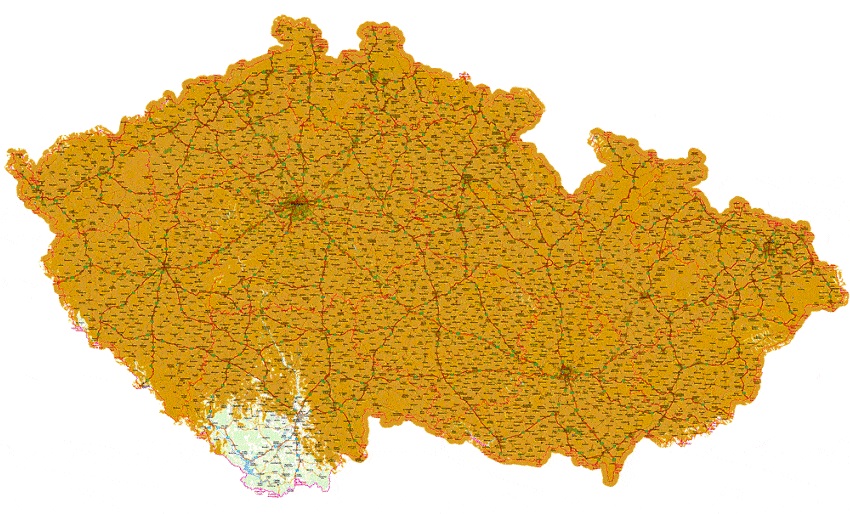
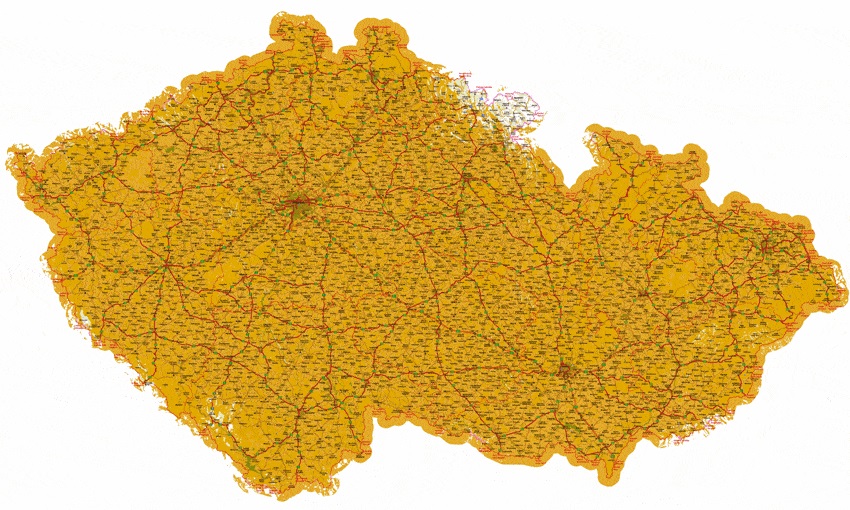
K pokrytí celé republiky novým DVB-T2 by mělo dojít v prvním čtvrtletí roku 2018. Od roku 2017 se zvyšuje počet vysílačů a roste programová nabídka. Prozatím může signál přijímat plných 97,9 % domácností, které naladí celkem 21 programů.
Přechodová síť 12:
Přechodová síť 11:
Novela zákona o elektronických komunikacích, podepsaná 31. 7. 2017, umožňuje přechod na DVB-T2 i všem kanálům veřejnoprávní televize. ČT v novém standardu spustí všechny své programy v HD rozlišení. Dříve bylo možné sledovat v HD kvalitě jen vysílání ČT 1, ČT 2 a ČT Sport. Program ČT 24 vysílá ve vysokém rozlišení jen přes satelit. V lednu 2018 zařadily České Radiokomunikace do celoplošného DVB-T2 vysílání první prgramy České televize ČT :D a ČT Art. Kompletní nabídku svých programů ČT spustila koncem března 2018. Pomocí 22 vysílačů pokrývá v 98,7 % obyvatel, do května pak spustí další 4 vysílače a bude mít téměř 100 % pokrytí. Vysílat bude na kanálu 26 (výjimkou bude jihočeský vysílač Kleť na kanálu 39 a ústecký kraj s kanálem 33).
Abyste naladili vysílání v DVB-T2 HEVC/H.265, musí televizor nebo set-top-box tento standard podporovat. Informaci o tom, jestli vaše televize, respektive set-top-box nový standard podporuje, najdete manuálu daného zařízení, případně můžete zkusit vyhledat produkt přímo na našich stránkách. Televizor nebo set-top-box podporující nový standard vysílání má v parametru „Typ tuneru“ vyplněno DVB-T2 – HEVC a je označený níže uvedeným zlatým logem (logo najdete na stránce produktu pod obrázkem). Zdali podporuje vaše TV DVB-T2 HEVC můžete otestovat i na stránkách Českých Radiokomunikací.
Pokud vybíráte nový televizor nebo set-top box, dejte si pozor. Stále je totiž k dispozici mnoho televizorů a set-top-boxů, které podporují DVB-T2 bez obrazového formátu HEVC/H.265. Taková zařízení sice programy v novém standardu naladí, ale nepůjde vám u nich obraz. Seznam všech televizorů podporující DVB-T2 HEVC/H.265 (zároveň jsou ověřené Českými Radiokomunikacemi) najdete na našich stránkách v kategorii Televize DVB-T2 HEVC / H.265. Na trhu je v současnosti na 1 200 certifikovaných TV a jejich podíl rychle narůstá, již v září roku 2017 mělo DVB-T2 přijímač 22 % domácností.
Pozemní digitální televizní vysílání DVB-T je nástupcem analogového vysílání, které bylo na území tehdejšího Československa spuštěno v roce 1953. Označováno je zkratkou DVB–T (z anglického Digital Video Broadcasting - Terrestrial) a poprvé ho Češi mohli naladit 21. října 2005. Pozemní digitální vysílání je šířeno z pevně ukotvených vysílačů a je přijímáno standardními anténami, na rozdíl od vysílání satelitního či kabelového. Zároveň je jediným vysíláním, za jehož příjem divák neplatí žádné poplatky. Oproti analogovému nabízí digitální vysílání lepší příjem signálu v členitých regionech a husté městské zástavbě, více televizních stanic, vyšší kvalitu obrazu, mobilitu a interaktivní služby.
Jednou z hlavních předností digitálního vysílání je větší množství kanálů. To je možné díky použití tzv. multiplexů, tedy vysílacích sítí, které obsahují hned několik televizních stanic, rozhlasové stanice a s nimi spojené doplňkové služby. K nim patří Elektronický programový průvodce (EPG), superteletext a jiné interaktivní služby (on-line nákupy, hlasování, e-mail, jednoduché hry). V současné a také konečné podobě digitálního vysílaní najdeme 4 celoplošné multiplexy a několik multiplexů regionálních. Diváci po celé republice tak mají přístup k více než třem desítkám českých televizních programů zdarma.
• ČT 1
• ČT 2
• ČT 24
• ČT sport
• Český rozhlas Radiožurnál
• Český rozhlas Dvojka
• Český rozhlas Vltava
• Český rozhlas Radio Wave
• Český rozhlas D-dur
• Český rozhlas Rádio Junior
• Český rozhlas Plus
• Český rozhlas Jazz
• Nova
• Nova Cinema
• Prima TV
• Prima Cool TV
• Barrandov
• Prima Love
• Prima Zoom
• Prima Max
• Óčko
• Óčko Gold
• ČT :D/ČT art
• Šlágr TV
• Kino Barrandov
• Barrandov Plus
• Radio Proglas
• Telka
• Smíchov
• Fanda
• Prima Comedy Central
• RELAX REBEL
• Mňam TV
• Mňau TV
• Seznam.cz TV (HbbTV pro Stream.cz)
• TV Morava - jen vysílač Olomouc
• BTV - jen vysílače Brno, Hodonín, Znojmo a Blansko
• TV Slovácko - jen vysílače Uherské Hradiště a Zlín
• TV Polar - jen vysílače Ostrava, Hlubočec, Bruntál
• ZAK TV - jen vysílače Plzeň, Sušice, Klatovy, Domažlice, Jáchymov, Mariánské lázně
• Jihočeská televize - jen vysílače České Budějovice - Kleť, Prachatice - Křeplice
• Rádio Čas
Všechny 4 vysílací sítě digitální televize jsou dostupné téměř na celém území České republiky (více než 99% území).
K příjmu pozemního digitálního vysílání divák potřebuje televizi s tunerem DVB-T, případně DVB-T
set-top box, který se připojí mezi stávající anténu a televizor. S použitím DVB-T karty nebo USB
modulu je možné digitální vysílání sledovat také na notebooku nebo stolním počítači.
Další možnosti příjmu televizního vysílání
• DVB-S Digitální satelitní vysílání
• DVB-C Digitální vysílání přes televizní kabelový rozvod
• IPTV Digitální vysílání přes počítačovou síť
Modernější DVB-T2 vychází z původního standardu DVB-T. Liší se způsoby komprese, tedy algoritmy,
které snižují potřebný datový tok. Zatímco DVB-T využívá kompresi MPEG–2 a MPEG–4 (v ČR vysílají
všechny stanice v MPEG–2), DVB-T2 může být šířeno s kompresí MPEG-4 (s kodekem H.264) nebo HEVC (s
kodekem H.265).
České radiokomunikace rozhodly, že v Čechách začnou s vysíláním v druhém, datově úspornějším
formátu H.265/HEVC. To přináší možnost umístit do jednoho multiplexu buď více televizních programů
ve standardní kvalitě, nebo stejný počet programů vysílajících v HD, případně i Ultra HD rozlišení.
Pro příjem nového českého DVB–T2 vysílání není nutné měnit anténní systém, avšak je nutné, aby byl přijímač vybaven tunerem pro zmíněný standard H.265/HEVC.
Podívejte se, jak postupně probíhalo vypínání multiplexů ve všech krajích
Publikováno 10. června 2020
Od čtvrtka 28. 11. 2019 televizní diváci na území Prahy přijímají kanály České televize (Multiplex 1) pouze přes DVB-T2. Zbylé televizní kanály (Multiplex 2, 3 a 4) stále v DVB-T formátu vysílaly, avšak jen do 8. 1. 2020. O den dříve, tedy 7. 1. 2020, došlo k vypnutí prvního DVB-T multiplexu ve Středočeském kraji (vysílač Mezivrata – Votice) a také v Královehradeckém kraji (Trutnov – Černá hora).
Na přelomu ledna a února přestal v DVB-T vysílat i Ústecký, Plzeňský a Karlovarský kraj, na konci února následoval kraj Liberecký a v březnu Jihočeský. Proces vypínání DVB-T měl dále pokračovat ve východní části republiky. Vzhledem k epidemiologické situaci v České republice byl však postupný přechod na nový vysílací standard v půlce března odložen (před vypnutím vysílání multiplexu 2 v Ústeckém kraji). Původně se plánovalo, že přechod na DVB-T2 bude obnoven přesně za čtyři měsíce.
Podle nového harmonogramu pokračuje vypínání DVB-T nakonec o něco dříve, a to konkrétně od 8. 7. 2020 (MUX 2) u vysílačů Cheb – Zelená hora a Jáchymov – Klínovec. V několika vlnách bude pak v daném kraji zpravidla nejdříve vypnut multiplex 1 (MUX 1) přenášející programy České televize, později pak i MUX 2 a MUX 3 přenášející zbytek televizních stanic. V případě zdárného uskutečnění tohoto scénáře bude k 29. 10. 2020 (vysílač Valašské Klobouky – Ploštiny) přechod na DVB-T2 zcela hotov. Všichni diváci přijímající televizní signál přes televizní anténu se tak budou muset vybavit DVB-T2 televizí či DVB-T2 set-top boxem.
| Vysílač / termín vypnutí | Multiplex 1
(ČT) |
Multiplex 2
(Nova, Prima, ...) |
Multiplex 3
(Óčko, Šlágr, ...) |
Multiplex 4 |
|---|---|---|---|---|
| Praha-Žižkov | 27. 11. 2019 | 8. 1. 2020 | 8. 1. 2020 | Více informací |
| Praha-Cukrák | 27. 11. 2019 | 15. 1. 2020 | 15. 1. 2020 | Více informací
|
| Vysílač / termín vypnutí | Multiplex 1 | Multiplex 2 | Multiplex 3 | Multiplex 4 |
|---|---|---|---|---|
| Leden 2020 |
|
|
|
|
| Votice-Mezivrata | 7. 1. | 22. 1. | 22. 1. | – |
| Trutnov – Černá hora | 7. 1. | 12. 2. | 28. 4. | – |
| Ústí nad Labem – Buková hora | 30. 1. | 21. 7.
|
18. 8. | – |
| Chomutov-Jedlák | 30. 1. | 21. 7.
|
18. 8. | – |
| Únor 2020 |
|
|
|
|
| Plzeň-Krašov | 4. 2. | 2. 3. | 1. 4. | – |
| Domažlice – Vraní vrch | 4. 2. | 2. 3. | 5. 4. | během února |
| Cheb – Zelená hora | 12. 2. | 8. 7.
|
– | – |
| Jáchymov-Klínovec | 12. 2. | 8. 7.
|
– | 19. 2. |
| České Budějovice – Kleť | 19. 2.
|
13. 2.
|
19. 2. | během února |
| Vimperk – Mařský vrch | 19. 2.
|
13. 2.
|
19. 2. | – |
| Sušice-Svatobor | 26. 2. | 30. 3. | 5. 4. | 27. 2. |
| Liberec-Ještěd | 26. 2. | 30. 3. | 26. 4. | 26. 2. |
| Březen 2020 |
|
|
|
|
| Brno-Kojál | 29. 7.
|
1. 9. | 30. 9.
|
– |
| Brno-Hády | 29. 7.
|
1. 9.
|
30. 9.
|
– |
| Brno-Barvičova | 29. 7.
|
1. 9.
|
30. 9.
|
–
|
| Mikulov-Děvín | 29. 7.
|
1. 9.
|
30. 9.
|
– |
| Duben 2020 |
|
|
|
|
| Pardubice-Krásné | 27. 8. | 22. 9. | 22. 9. | – |
| Jihlava-Javořice | 27. 8. | 22. 9. | 25. 5. | – |
| Jeseník-Praděd | 27. 8. | 1. 10. | 6. 10. | – |
| Ostrava-Hošťálkovice | 27. 8. | 1. 10. | 13. 10. | – |
| Ostrava-Hladnov | 27. 8. | 1. 10. | 13. 10. | – |
| Frýdek-Místek – Lysá hora | 27. 8. | 1. 10. | 13. 10. | – |
| Květen 2020 |
|
|
|
|
| Zlín – Tlustá hora | 30. 9. | 21. 10. | 22. 10. | – |
| Valašské Klobouky – Ploštiny | 30. 9. | 21. 10. | 28. 10. | – |
| Vysílač / termín vypnutí | Multiplex 4 |
|---|---|
| Leden 2020 |
|
| Praha – Ládví | 8. 1. |
| Praha – Novodvorská | 8. 1. |
| Praha – Olšanská | 8. 1. |
| Benešov – Kozmice | 9. 1. |
| Rakovník – Louštín | 9. 1. |
| Únor 2020 |
|
| Děčín – Chlum | 7. 2. |
| Teplice – Vodárna | 7. 2. |
| Ústí nad Labem – Krušnohorská | 7. 2. |
| Jáchymov – Klínovec | 19. 2. |
| Mariánské Lázně – Dyleň | 19. 2. |
| Česká Lípa – Špičák | 26. 2. |
| Jablonec nad Nisou – Černá Studnice | 26. 2. |
| Liberec – Ještěd | 26. 2. |
| Domažlice – Čerchov | 27. 2. |
| Plzeň – Vodárna | 27. 2. |
| Sušice – Svatobor | 27. 2. |
| České Budějovice – Kleť | během února |
| Duben 2020 |
|
| Hradec Králové – Chlum | 29. 4. |
| Pardubice – Slatiňany | 30. 4. |
| Svitavy – Hřebečov | 30. 4. |
| Ústí nad Orlicí – Andrlův Chlum | 30. 4. |
| Květen 2020 |
|
| Brno – Barvičova | 4. 5. |
| Brno – Jihlavská | 4. 5. |
| Hodonín – Kapánsko | 4. 5. |
| Znojmo – Deblínek | 4. 5. |
| Olomouc – Slavonín | 5. 5. |
| Opava – Hlubočec | 27. 5. |
| Ostrava – Lanová | 27. 5. |
| Frenštát pod Řadhoštěm | 28. 5. |
| Zlín – Segment | 28. 5. |
| Jihlava – Jeníkov | během května |
| Třebíč – Vartemberk | během května |
| Uherské Hradiště – Rovnina | během května |
Pokud ho ještě nemáte, příliš s koupí nového zařízení s podporou DVB-T2 a HEVC neotálejte, již během tohoto roku přestanou ve starším formátu vysílat některé regionální televize a také ČT v Praze. Na zbytek ČR dojde během roku 2020.